
In 2012 the Canadian government infamously announced changes to Library and Archives Canada (LAC) that made it much harder for researchers to access their country’s documentary heritage. The LAC’s mandate was transformed: rather than acquiring and maintaining a “comprehensive” collection, it now aimed merely to gather a “representative” assembly of Canadian documents. Funding was slashed, employees were laid off, new acquisitions were paused, documents were sold to private bidders, and resources were decentralized across Canada.
In the last month, interviews with scientists by The Tyee have revealed how the conservative regime’s attitude towards the environment meant that environmental archives suffered the most. Government scientists, who have asked to remain anonymous, report that the chaotic closure of world-class environmental libraries resulted in the destruction of priceless documents relevant to environmental and climate history. The same scientists allege that the government falsely assured that all documents were preserved through digitalization.
"The cuts were carried out in great haste apparently in order to meet some unknown agenda,” one scientist told The Tyee. “No records have been provided with regard to what material has been dumped or the value of this public property. No formal attempt was made to transfer material to libraries of existing academic institutions."
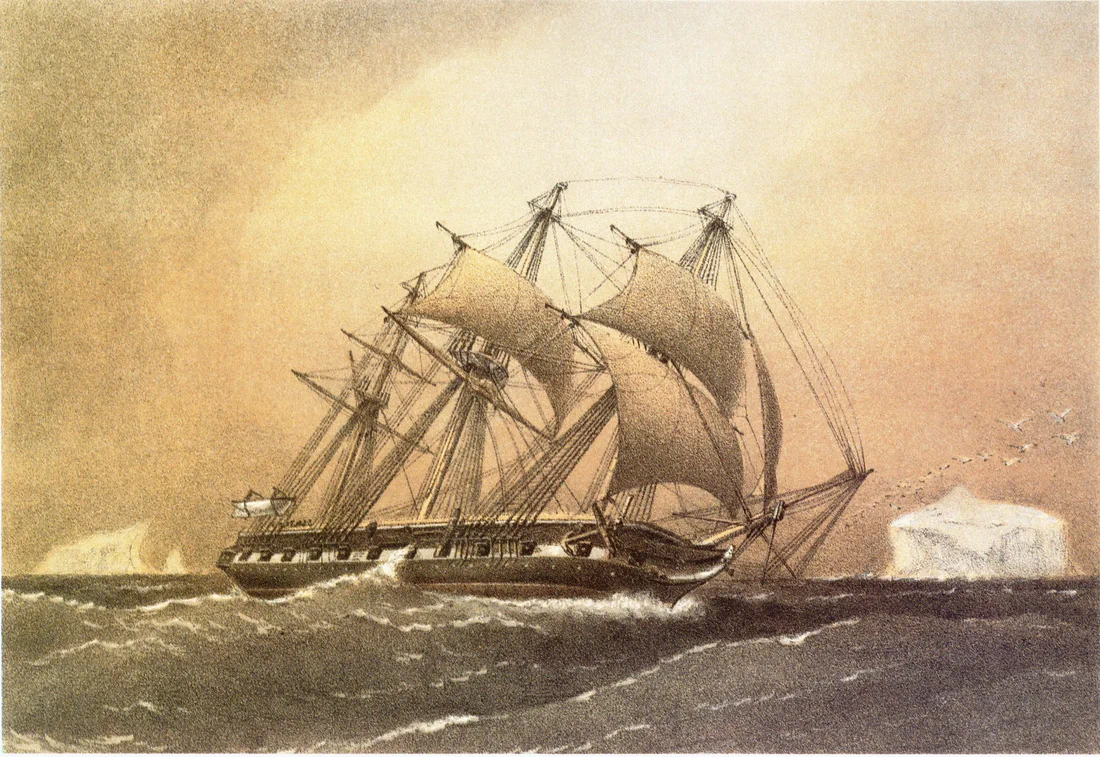
The rich resources for environmental research at the St. Andrews Biological Station in New Brunswick are gone, as is the Freshwater Institute Library in Winnipeg, and the Northwest Atlantic Fisheries Centre in Newfoundland. At a time when historical climatology has increasingly turned to ship logbooks, the 50-volume logbook of the HMS Challenger has been destroyed. In 1876 the Challenger completed the first global marine research expedition, and its logbooks contain priceless data about the contemporary biosphere, hydrosphere and atmosphere. A copy of its logbooks exists outside of Canada, but it is less accessible for Canadian researchers.
The attack on environmental and, in particular, climate history by Canada’s Harper government demonstrates yet again that scientific or historical research into the environment is inherently political. Sadly, Canadian researchers cannot take even their archives for granted. We must do our best to digitalize what we can, ourselves, before it is lost forever.
Note: in coming years, digitalized sources relevant to climate history will appear on this website, where permission is granted.
~Dagomar Degroot
Links:
1. Save Library and Archives Canada.
2. Canadian libricide: Tories torch and dump centuries of priceless, irreplaceable environmental archives.
3. Fisheries and Oceans Library closings called loss to science.